
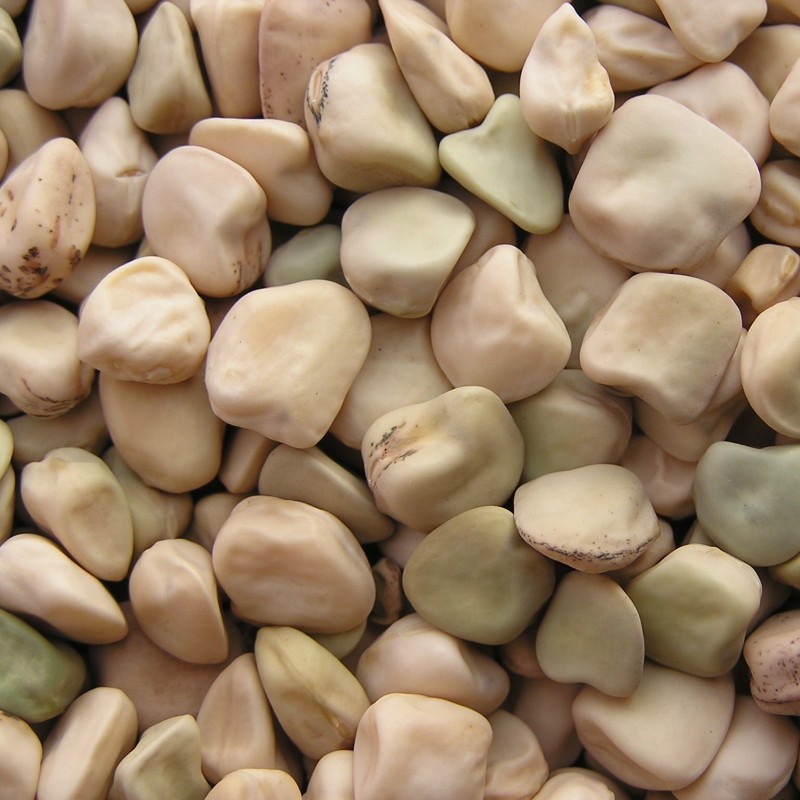
Lathyrus sativus, also known as grass pea, blue sweet pea, chickling pea, chickling vetch, Indian pea, white pea and white vetch, is a legume (family Fabaceae) commonly grown for human
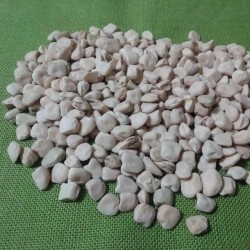
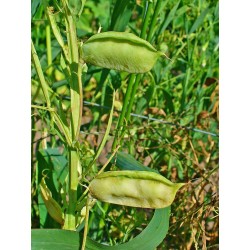
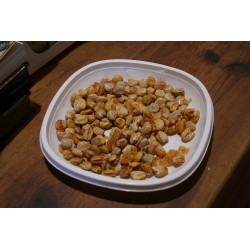
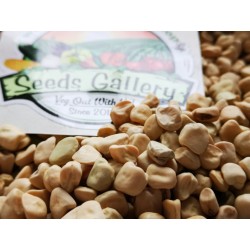
Lathyrus sativus, also known as grass pea, blue sweet pea, chickling pea, chickling vetch, Indian pea, white pea and white vetch, is a legume (family Fabaceae) commonly grown for human consumption and livestock feed in Asia and East Africa.[4] It is a particularly important crop in areas that are prone to drought and famine, and is thought of as an 'insurance crop' as it produces reliable yields when all other crops fail. The seeds contain a neurotoxin that causes a neurodegenerative disease when the seeds are consumed as a primary protein source for a prolonged period.
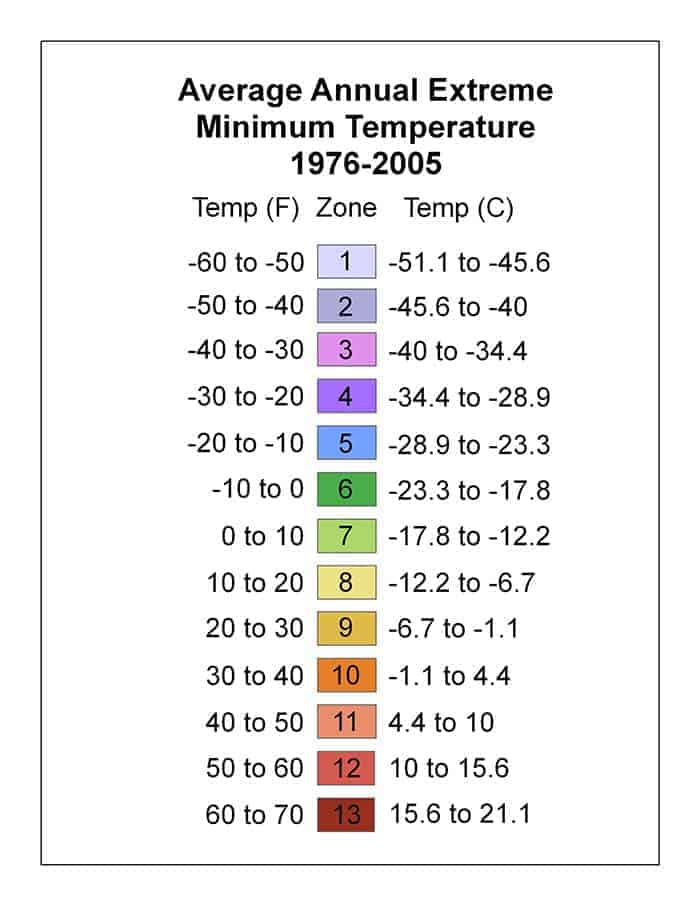
Lathyrus sativus grows best where the average temperature is 10–25 °C and average rainfall is 400–650 mm (16–26 in) per year. Like other legumes, it improves the nitrogen content of soil. The crop can survive drought or floods,[3] but grows best in moist soils. It tolerates a range of soil types from light sandy through loamy to heavy clay, and acid, neutral, or alkaline soils. It does not tolerate shade.
Seed is sold for human consumption at markets in Florence. Consumption of this pulse in Italy is limited to some areas in the central part of the country, and is steadily declining.
Flour made from grass peas (Spanish: almorta) is the main ingredient for the gachas manchegas or gachas de almorta.[6] Accompaniments for the dish vary throughout La Mancha. This is an ancient Manchego cuisine staple, generally consumed during the cold winter months. The dish is generally eaten directly out of the pan in which it was cooked, using either a spoon or a simple slice of bread. This dish is commonly consumed immediately after removing it from the fire, being careful not to burn one's lips or tongue.
Due to its toxicity, it is forbidden in Spain since 1967 for human consumption. It can be sold as animal feed but it cannot be displayed near other flours valid for human consumption (BOE-2484/1967. September 21st. Paragraphs 3.18.09 a and b and 5.36.16 b)
Grass pea flour is exceedingly difficult to obtain outside of Castilla-La Mancha, especially in its pure form. Commercially available almorta flour is mixed with wheat flour because grass peas are toxic if consumed in significantly large quantities for prolonged periods of time.
The town of Alvaiázere in Portugal dedicates a festival lasting several days to dishes featuring the pulse. Alvaiázere calls itself the capital of Chícharo, the name of this pulse in Portuguese.
Immature seeds can be eaten like green peas. L. sativus needs soaking and thorough cooking to reduce toxins.
The leaves and stem are cooked and eaten as chana saga (Odia: ଚଣା ଶାଗ) in parts of Odisha, India.
Seed ODAP characteristics
Like other grain legumes, L. sativus produces a high-protein seed. The seeds also contain variable amounts of a neurotoxic amino acid β-N-oxalyl-L-α,β-diaminopropionic acid (ODAP).[7][8] ODAP is considered the cause of the disease neurolathyrism, a neurodegenerative disease that causes paralysis of the lower body: emaciation of gluteal muscle (buttocks).[3] The disease has been seen to occur after famines in Europe (France, Spain, Germany), North Africa, and South Asia, and is still prevalent in Eritrea, Ethiopia, and Afghanistan (panhandle) when Lathyrus seed is the exclusive or main source of nutrients for extended periods. ODAP concentration increases in plants grown under stressful conditions, compounding the problem.
The crop is harmless to humans in small quantities, but eating it as a major part of the diet over a three-month period can cause permanent paralysis below the knees in adults and brain damage in children, a disorder known as lathyrism.

Data sheet
Lathyrus sativus, also known as grass pea, blue sweet pea, chickling pea, chickling vetch, Indian pea, white pea and white vetch, is a legume (family Fabaceae) commonly grown for human