
- Online only

Coming Soon
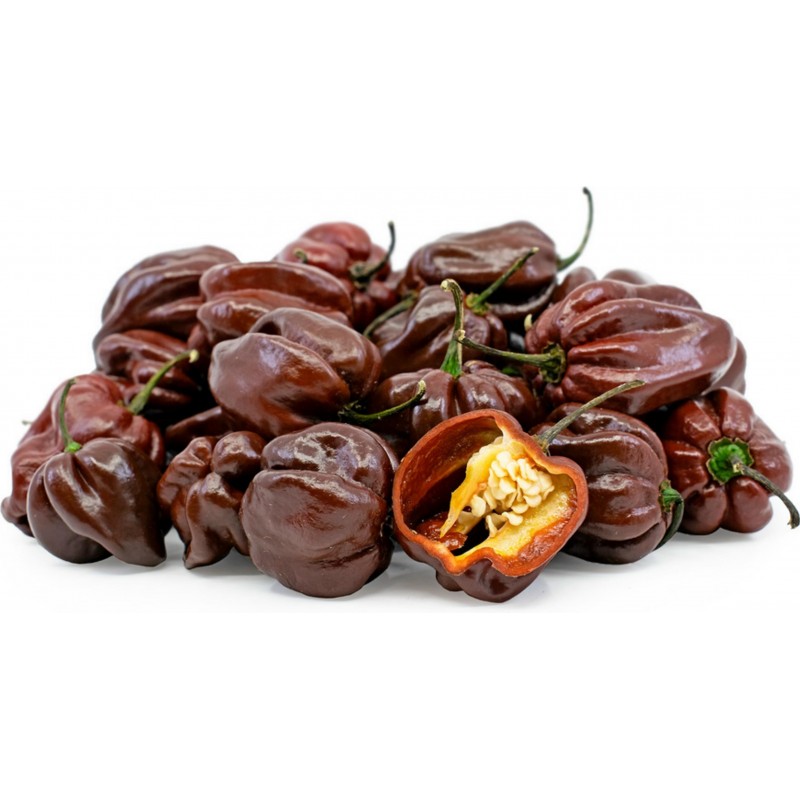
The habanero is a variety of chili pepper. When used in English, it is sometimes spelled (and pronounced) habañero—the diacritical mark being added as a hyperforeignism.
The habanero is a variety of chili pepper. When used in English, it is sometimes spelled (and pronounced) habañero—the diacritical mark being added as a hyperforeignism. Unripe habaneros are green, and they color as they mature. Common colors are orange and red, but white, brown, and pink are also seen. Typically a ripe habanero chili is 2–6 centimetres (0.8–2.4 in) long. Habanero chilis are intensely hot, rated 100,000–350,000 on the Scoville scale.
The habanero chili comes from the Amazonas region, and from there it was spread in Mexico. One domesticated habanero, which was dated at 8,500 years old, was found at an archaeological dig in Mexico. [4] An intact fruit of a small domesticated habanero was found in Pre-ceramic levels in Guitarrero Cave in the Peruvian highlands, and was dated to 6500 B.C.E. It migrated north to the Caribbean via Colombia.
Upon its discovery by Spaniards, it was rapidly disseminated to other adequate climate areas of the world, to the point that 18th-century taxonomists mistook China for its place of origin and called it "Capsicum chinense"—the Chinese pepper.
Today, the largest producer is Mexico's Yucatan Peninsula.[8] Other modern producers include Belize, Panama (locally named ají chombo), Costa Rica, Colombia, Ecuador and parts of the United States, including Texas, Idaho, and California. While Mexico is the largest consumer of this spicy ingredient, its flavor and aroma have become increasingly popular all over the world.
Habaneros are an integral part of Yucatecan food. Habanero chilies accompany most dishes in Yucatán, either in solid or purée/salsa form.
The Scotch bonnet is often compared to the habanero, since they are two varieties of the same species, but have different pod types. Both the Scotch bonnet and the habanero have the characteristic thin, waxy flesh. They have a similar heat level and flavor. Although both varieties average around the same level of "heat", the actual degree of piquancy varies greatly from one fruit to another with genetics, growing methods, climate, and plant stress.
The habanero's heat, its fruity, citrus-like flavor, and its floral aroma have made it a popular ingredient in hot sauces and spicy foods. Habaneros are sometimes placed in tequila or mezcal bottles, particularly in Mexico, for a period ranging from several days to several weeks, to make a spiced version of the drink.
In 2000, the habanero was listed in the Guinness book of World Records as the world's hottest chili, but it has since been displaced by a number of other peppers, the record tending to change hands every few years.
Today, the largest producer is Mexico's Yucatan Peninsula. Other modern producers include Belize, Panama (locally named ají chombo), Costa Rica, Colombia, Ecuador and parts of the United States, including Texas, Idaho, and California. While Mexico is the largest consumer of this spicy ingredient, its flavor and aroma have become increasingly popular all over the world.
Habaneros are an integral part of Yucatecan food. Habanero chilies accompany most dishes in Yucatán, either in solid or purée/salsa form.
The Scotch bonnet is often compared to the habanero, since they are two varieties of the same species, but have different pod types. Both the Scotch bonnet and the habanero have the characteristic thin, waxy flesh. They have a similar heat level and flavor. Although both varieties average around the same level of "heat", the actual degree of piquancy varies greatly from one fruit to another with genetics, growing methods, climate, and plant stress.
The habanero's heat, its fruity, citrus-like flavor, and its floral aroma have made it a popular ingredient in hot sauces and spicy foods. Habaneros are sometimes placed in tequila or mezcal bottles, particularly in Mexico, for a period ranging from several days to several weeks, to make a spiced version of the drink.
In 2000, the habanero was listed in the Guinness book of World Records as the world's hottest chili, but it has since been displaced by a number of other peppers, the record tending to change hands every few years.
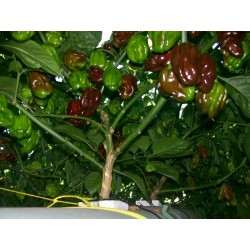
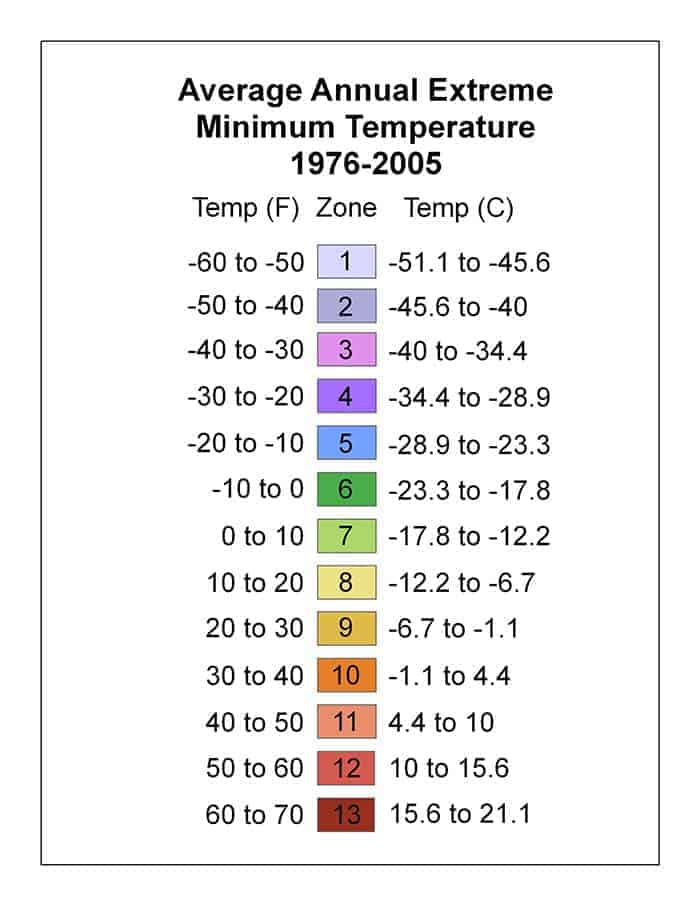
Habaneros thrive in hot weather. As with all peppers, the habanero does well in an area with good morning sun and in soil with a pH level around 5 to 6 (slightly acidic). The habanero should be watered only when dry. Overly moist soil and roots will produce bitter-tasting peppers.The habanero is a perennial flowering plant, meaning that with proper care and growing conditions, it can produce flowers (and thus fruit) for many years. Habanero bushes are good candidates for a container garden. In temperate climates, though, it is treated as an annual, dying each winter and being replaced the next spring. In tropical and subtropical regions, the habanero, like other chiles, will produce year round. As long as conditions are favorable, the plant will set fruit continuously.
Several growers have attempted to selectively breed habanero plants to produce hotter, heavier, and larger peppers. Most habaneros rate between 200,000 and 300,000 Scoville units.
In 2004, researchers in Texas created a mild version of the habanero, but retained the aroma and flavor of the traditional pepper. The milder version was obtained by crossing the Yucatán habanero pepper with a heatless habanero from Bolivia over several generations. These mild habaneros were expected to be widely available in the future as of 2004.
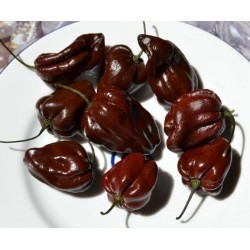
Black habanero is an alternative name often used to describe the dark brown variety of habanero chilis (although they're slightly different, being slightly smaller and slightly more sphere-shaped). There have been cases where some types of seeds have been found, and they're thought to be over 7,000 years old. It (the black habanero) has an exotic and unusual taste and is hotter than a regular habanero with a Scoville rating that ranges between 400,000 and 450,000 Scoville units. Small slivers used in cooking can have a dramatic effect on the overall dish. Gourmets delight in its fiery heat and unusual flavor. Black habaneros take considerably longer to grow than other habanero chili varieties. In a dried form, they can be preserved for long periods of time, and can be reconstituted in water then added to sauce mixes. Previously known as habanero negro, or by their Nahuatl name, they were translated into English by spice traders in the 19th century as "black habanero". The word "chocolate" was derived from the Nahuatl word, xocolātl [ʃo'kolaːt͡ɬ], and was used in the description as well (as "chocolate habanero"), but it proved to be unpronounceable to the British traders, so it was simply named "black habanero".
Data sheet
The habanero is a variety of chili pepper. When used in English, it is sometimes spelled (and pronounced) habañero—the diacritical mark being added as a hyperforeignism.